
The Wizave Project’s The Forces Between is a kaleidoscopic wonderland of technology and art that shimmers with beauty and undulates with genuine warmth. It is a journey to worlds where communication moves beyond mere words and sonic wanderlust is revered. The Forces Between will challenge your notion of how music is created. It is an album that you need to hear.
What is The Wizave Project?
The Wizave Project is a bit of an enigma. By intention, the creative force behind the scenes is kept shrouded in mystery. However, we do know that The Wizave Project is based in New York, and it explores human connection through “sound, atmosphere, and visual imagery.” The experimental project accomplishes this by combining “traditional songwriting, modern production, AI collaboration, and immersive visual direction to create a unified artistic experience.” It is important to understand that the music isn’t the result of a prompt; it is a creative adoption of technology that melds the human experience with tools that heighten creativity in ways that were never before possible. The Wizave Project is a groundbreaking leap into artistry that has been refined by technology and strives to maintain a human soul.
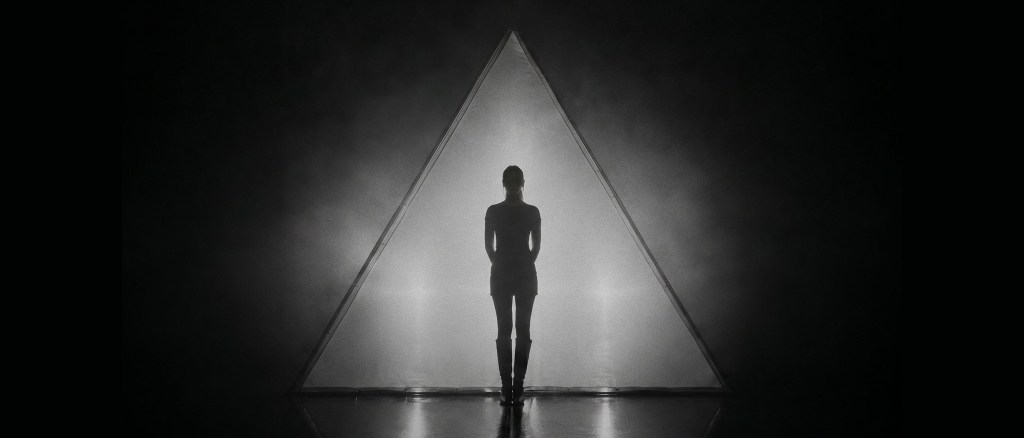
Inside The Wizave Project: An Interview
While there is intentional secrecy surrounding the actual names behind The Wizave Project, Entertaining Options was granted the privilege to interview the creative force behind the music and visuals.
How many people are involved in The Wizave Project, and what are their musical backgrounds?
The Wizave Project is mainly a solo project. My background includes studying and creating visual art. I’ve learned music production, mixing, mastering, and video creation. I developed the concept, wrote the lyrics, shaped the production, and created the visuals for each release. Progress is shared with a few others to get their feedback, which helps me refine ideas. Ultimately, the creative vision and final decisions are my own.
Why did you choose the name Wizave?
I wanted something short and distinctive that didn’t carry any existing associations. I wanted something that could develop its own identity over time. I also thought it simply sounded catchy.
Is this a studio project, or do you perform live?
The Wizave Project is a studio project.
What inspired this project?
Spending time reflecting on experiences, emotions, relationships, and the forces that shape human connections. I realized these were the ideas I wanted to explore, and The Wizave Project became the place where it came together. If I had to narrow it down to a specific inspiration, I would have to say watching the movie Lost in Translation for the first time. To me, it’s more than a movie with a perfect soundtrack; it’s a feeling.
Why is the project important to you?
The Wizave Project is important to me because it’s a way to explore ideas I don’t always have the words for. It’s an opportunity to express in a way that conversation sometimes can’t. Everything begins with a fragment, an idea or emotion that I’m trying to better understand myself. The writing, production, and visuals all become part of that exploration. My hope is that listeners don’t just hear a song or dismiss the process; they find something in it that resonates within themselves.
What makes a good song?
Some songs stay with us because they capture a feeling we don’t want to lose. To me, the core of a good song is the connection it makes with the listener.
What do you listen for in a song?
I listen for intention in songs, where it feels like every decision was made for a reason. Whether the production is simple or complex, polished or raw.
What makes music the right medium to explore “the unseen forces that shape human connection?”
Unseen forces may be found in emotions, feelings, observations, memories, a change in perspective, time, distance, uncertainty, or just something unexplainable. Music allows me to explore those ideas in a way that feels easier than just talking about them.
What artists or bands inspired this project?
Björk has always inspired me because of her uniqueness; her music has no boundaries. Thievery Corporation made me appreciate atmosphere and production. London Grammar’s impact through their beautiful vocals and production.
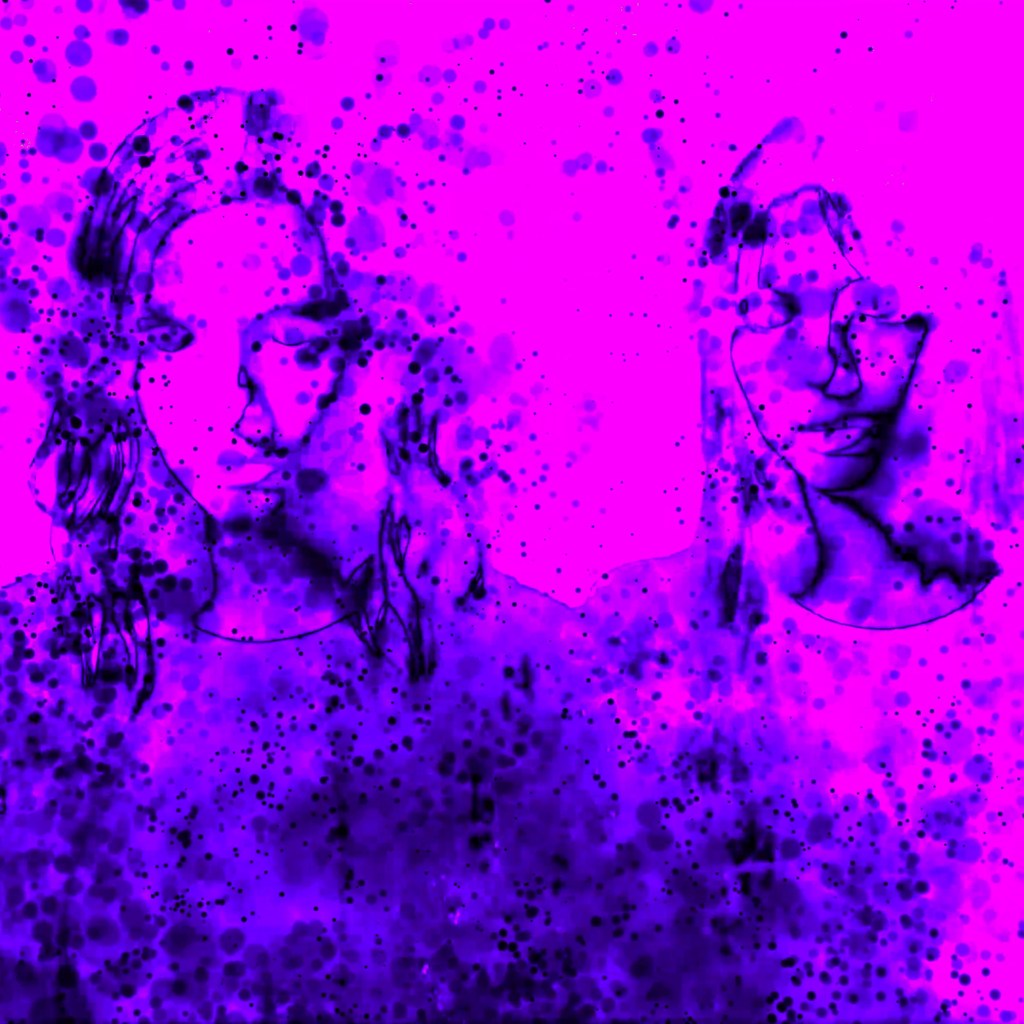
How does the process work? Can you walk us through from idea to fully produced recording?
It starts with a fragment which can be a word, an idea, an experience, a question, a concept, or one emotion. I then expand that fragment to see how it connects to our relationships, our experiences, and the invisible ways we influence each other. I then write lyrics expanding on that fragment and develop the overall melody of the song. Once I have that foundation, I use creative AI tools to explore and develop musical ideas. The process then becomes very hands-on, shaping the arrangements, editing and refining the production, selecting and layering samples, mixing and mastering each track, and developing the visual identity for the song. AI is one part of my creative process, but every decision on how the finished work sounds and feels is ultimately mine.
How did you get the vocals for this album?
I spend a lot of time iterating until the vocal performances feel right. AI is a tool in that process, but the artistic decisions are still mine. As The Wizave Project evolves, I’m also working with voice models created with the permission of the vocalist, giving me even greater creative control while preserving the project’s vocal identity.
What has been the most rewarding aspect of this project?
When I receive positive feedback from a listener who says they connected with the song, that’s the reward.
What did you learn about your musical identity moving from We Move On Together to The Forces Between? Did anything change in your creative approach between the two albums?
We Move On Together was a discovery process. I was learning as I went, while figuring out what The Wizave Project could become. I learned that I wasn’t just writing about relationships; I was writing about the unseen forces that shape those relationships. That is what gave the project a clear identity.
When I began The Forces Between, my creative approach became more intentional. Every decision, from the songwriting, production, and videos, was made with a purpose. It became less about the individual songs.
If people want to dive in, which track should they listen to first?
I’d probably recommend starting with “All We Have Is Now.” It captures the uplifting, reflective side of The Wizave Project, encouraging listeners to appreciate the present. From there, I’d listen to “Break in the Sky,” which explores tension and a more atmospheric side of the project. They offer a good introduction to the emotional range I’m trying to create.
“All We Have Is Now” is the track that grabbed me and immediately felt like it knew my soul. When I heard it for the first time, it was a very emotional experience. Do you ever get emotional when listening to your own music?
Yes. Most of my songs begin with emotions, experiences, or questions that have stayed with me. “All We Have Is Now” is one of those songs.
How important is the visual aspect? What do the videos add to the music?
The videos complement the music and are not meant to tell the story literally. The videos create an atmosphere that lets people experience the music in another way. When everything comes together, the songs and videos feel cohesive.
What is the most important thing for people to understand about The Wizave Project?
The Wizave Project isn’t defined by the tools used; it’s defined by the intentional ideas and concepts behind it to express something genuine. If someone connects with it, then I’ve accomplished what I set out to do.
What is something people would have a hard time believing about you and your music?
The enormous amount of time that is spent writing, creating, and refining everything. Because modern audio and video software tools are used as part of the process, some people may assume that everything comes together quickly. In reality, this is far from being true.
Is there anything important that we didn’t touch upon that you’d like to bring up?
I’d just like to thank you for the opportunity to talk about The Wizave Project, and I hope people who discover the project find something that resonates with them and encourages them to keep exploring.

The Wizave Project’s ‘The Forces Between’: A Track-by-Track Look
On The Forces Between, The Wizave Project takes a more intentional approach to crafting the journey of an album. Each of the 12 songs has a unique personality, but together, they function more like genes in a DNA chain. To look at it another way, the songs function as a sentence or paragraph within a larger story, i.e., the album.
The gentle pulsating drive of “Sympathetic Resonance” opens the album, firmly establishing its theme of creating connections and generating the emotional momentum that elevates a moment to something wonderful. It introduces the idea of unseen frequencies crackling in the between.
“Gravity Got Me” explores universal attraction. It’s inescapable and inevitable. But that’s not a bad thing. Lean in, don’t fight the pull, and maybe you’ll wind up where you were always meant to be.
“The Beat Kicks In” is all about finding your flow. It’s that moment when you feel the bass drop and you know you’re headed in the right direction as every step falls into place. It’s an exhilaration that only arrives once you decide to enjoy the ride.
We’ve all felt a connection that defies time and distance. “Halfway Around the World” explores this phenomenon. It offers an upbeat reassurance that the bond is real. According to The Wizave Project, “People in our lives who matter most are often closer than they seem.”
“Out of Focus” looks at the people in our lives who make everything around us blur out of focus. Rules and reality become irrelevant. The moment is all that is true. This is a key conceptual track that drives home how powerful, unseen forces can help define our moments.
Not every track on the album depicts uplifting scenarios. “Break in the Sky” begins with an impending storm. The approaching disruption is unavoidable, making it another force that shapes us in ways we cannot control. But moments don’t last. Eventually, “the passing storm drifts slowly by,” and the emotional fracture moves to a time of renewal.
“All We Have Is Now” is the effervescent track that made Entertaining Options want to learn more about The Wizave Project. It induces a marvelous rush of euphoric chills that remind us that living in the moment is all we have. We need to cherish the exuberance of now before it becomes tomorrow’s memory.
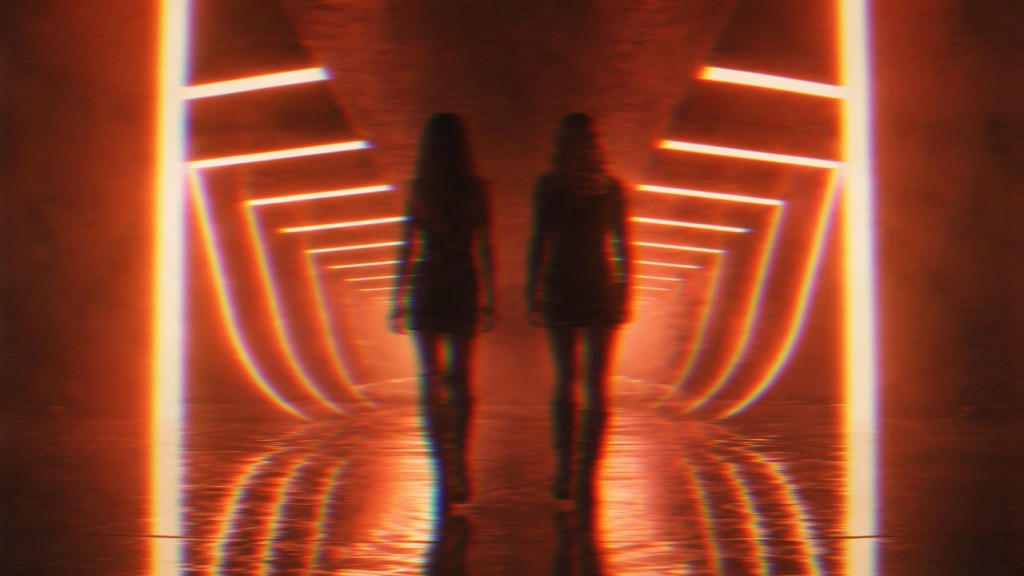
‘The Forces Between’ tracklist
- “Sympathetic Resonance”
- “Gravity Got Me”
- “Emotional Synchrony”
- “Magnetic Field”
- “The Beat Kicks In”
- “Halfway Around the World”
- “Out of Focus”
- “Relentless”
- “Break in the Sky”
- “Am I Good Enough”
- “The Butterfly Effect”
- “All We Have Is Now”
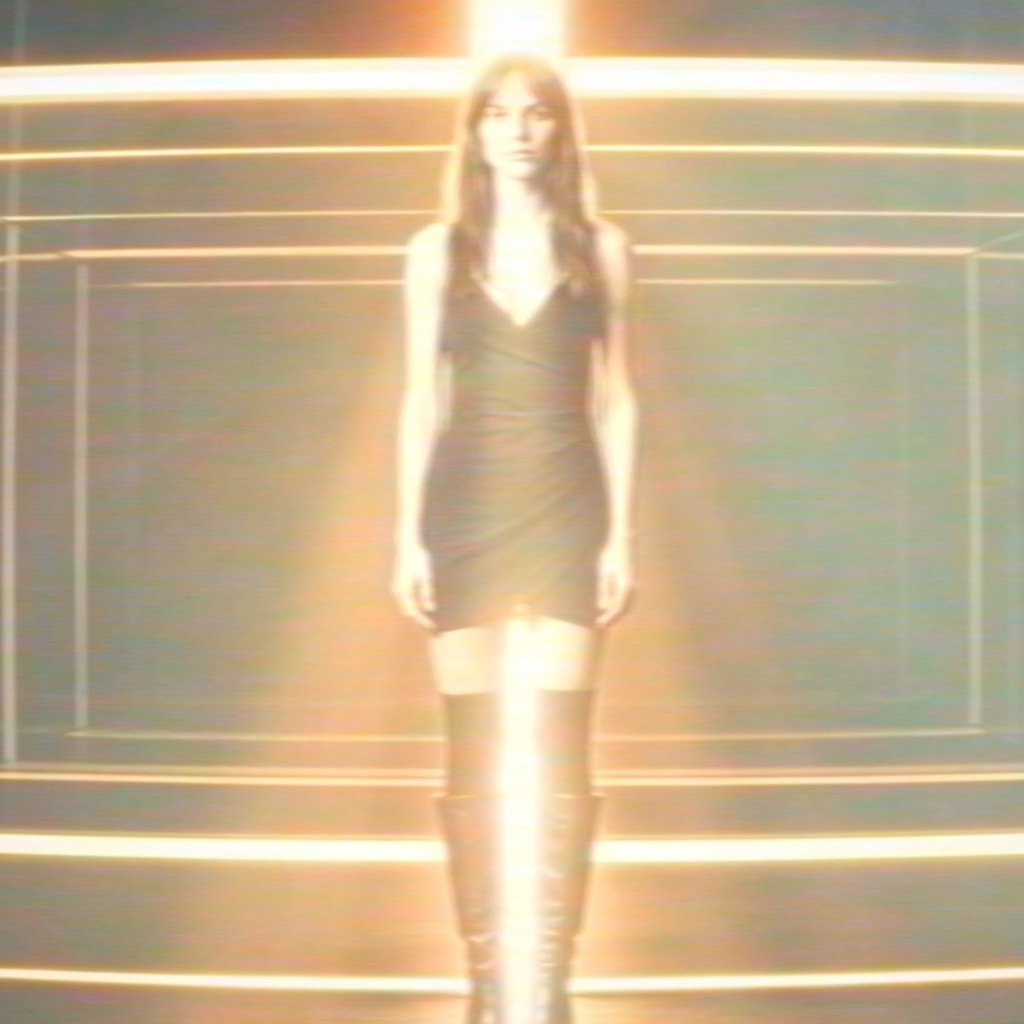
Who Will Love ‘The Forces Between?’
The Forces Between is ethereal, gently driving electropop that is at once nostalgic and new. If the following list of artists, subgenres, and descriptors delights or intrigues you, you will find something you love about The Wizave Project.
- Lights
- Chillwave
- 90s Pop
- Imogen Heap
- Cinematic Pop
- Synthwave
- Owl City
- Electropop
- Post-Punk
- Empress Of
- Glitch Pop
- Ambient Pop
- Bunny X

How to Follow and Support The Wizave Project
The Wizave Project told Entertaining Options that the best way to follow and support the project is simply to listen on your favorite streaming platform [Spotify, Apple Music, Amazon Music] and share it with someone you think would enjoy it. The Wizave Project’s official website contains streaming links, videos, and the latest release information. Following on Instagram, TikTok, X (Twitter), Facebook, and/or Threads is also encouraged. The Wizave Project confirmed, “Adding it to a playlist, sharing it with a friend, or following on social media really does make a difference. Every bit of support is appreciated.”
All video stills and visual identity portraits courtesy of The Wizave Project.

