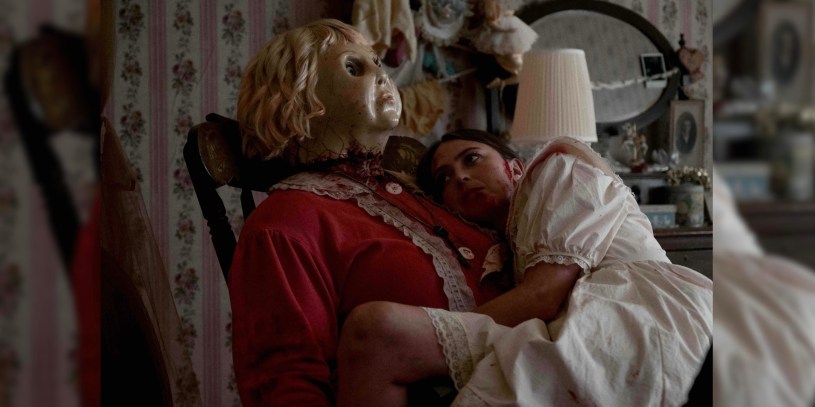
In the ‘70s, films were different. Grainy. Harsh. Unapologetic. The stakes were high, narratives were violent, and the protagonists weren’t always restrained by morals. Directors favored a documentary feel — movies were shot on location using natural lighting and handheld cameras. As a result, the stories left a mark that often never fully faded, staying with you through the years like a welcome trauma.
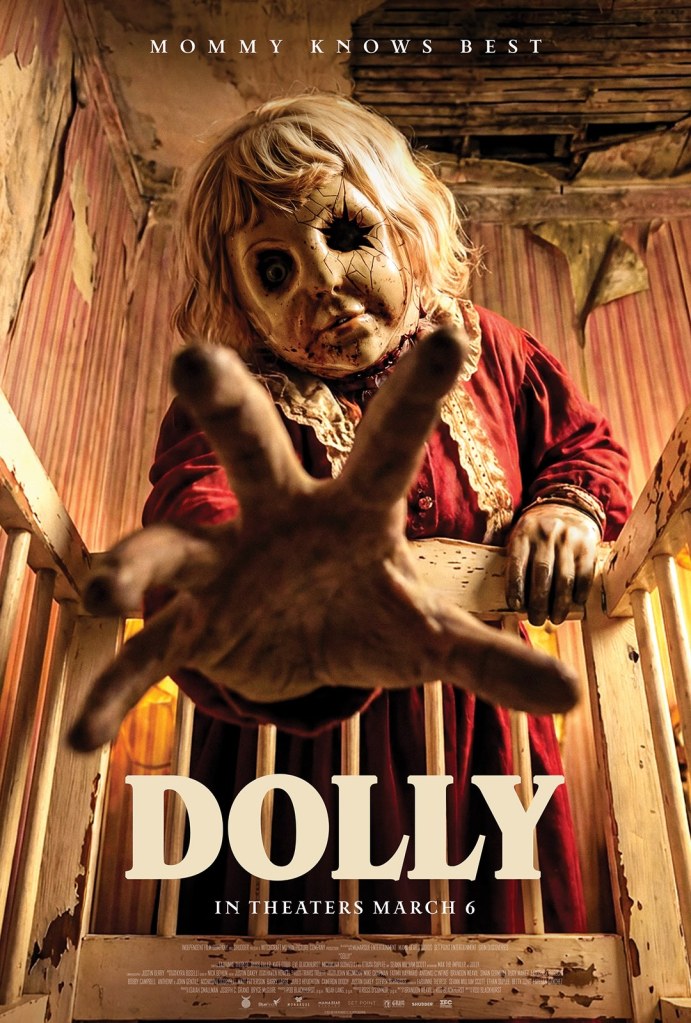
About a month or so ago, I stumbled upon the trailer for Dolly, a film that follows a young woman who is abducted by a monstrous figure intent on raising her as their own child. The trailer immediately grabbed me and pulled me into a grim and gritty past. I found myself trapped in a bleak and soiled world with an unstoppable brute who had a twisted sense of family.
The trailer for Dolly made me feel like a scared little kid again as the narrator’s ominous voice-over filled me with a nostalgic dread. Dolly instantly became a must-see-in-the-theater film. I craved the “live” experience, basking in the crowd’s collective unease, witnessing the larger-than-life gore, and not being ashamed to cover my eyes when the kills got too intense. I wanted to surrender to the Monster Kid, who still lived inside me, and submerge into the moment, allowing myself to be captivated by a strange new nightmare.
I reached out to award-winning filmmaker Rod Blackhurst to get a little peek behind the scenes. Rod’s impressive career reflects his own integrity and belief that with a talented team, a trusting space, and confident leadership, you can turn dreams into reality. To be honest, these 20 responses are some of the most passionate, honest, inspiring, and articulate responses I have ever received in my several decades of interviewing creative individuals. Please share this article, which is also Rod delivering a masterclass in filmmaking… but you can only do that if you promise to see Dolly in theaters (opening March 6, 2026)!
1. I was immediately hooked by the gritty tone of the trailer. It brought to mind the sinister/evil nature of ‘70s horror. Even the voice-over sounded like it was lifted from trailers from that decade. Were you involved with the trailer? Should viewers be expecting something a bit darker than current horror?
The credit and the kudos belong to IFC/Shudder.
We had released a teaser before Fantastic Fest that we were proud of, but when we saw what IFC/Shudder came up with for the official trailer, our reaction was immediate: “They got it.” They understood the assignment, the lineage, the tone, all of it.
The trailer absolutely reflects the DNA of the movie and frames it in a way that lets audiences know this thing might hit different and also bite a little harder than what they’re used to. We do, of course, think the film goes further.
What matters most to me is accuracy. I’ve lived through marketing campaigns where a movie was sold as something it wasn’t, and that disconnect can really hurt the life of a film. Here, the promise matches the experience, and that makes me incredibly grateful that IFC/Shudder saw and understood us so clearly.
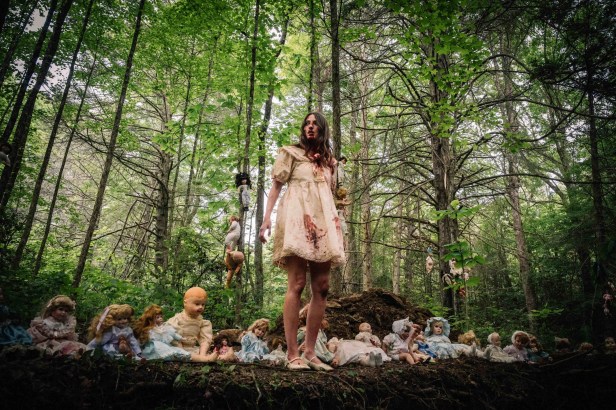
An Independent Film Company and Shudder Release.
2. How important are shorts to getting a feature-length film greenlit? Are they a secret weapon, so to speak, that can help make things happen? Or has there already been significant interest before these films were made?
Between me and my producing partners Ross O’Connor and Noah Lang, we’ve now made eight features that started as proof-of-concept shorts: Dolly, Night Swim, Minor Premise, The Climb, Creep Box, Red White & Wasted, Sun Belt Express, and The Strange Ones.
I’m hesitant to call anything a secret weapon because this business is wildly unpredictable and rarely logical (we also have features with proof-of-concept shorts that haven’t happened: Hysteric, Mommy, and Alone Time). But for us, making a short-form representation of the larger movie we want to create has worked.
I can’t say exactly how much our 2021 DIY short Babygirl moved the ball in terms of financing, but it definitely didn’t hurt. Anyone can make a great lookbook. Taking it a step further helps people see what’s actually in your head. It turns an idea into evidence. Even if that means you and your producer squeezing into a homemade Dolly costume on a friend’s property for a day, promising them you’re not doing anything too strange.
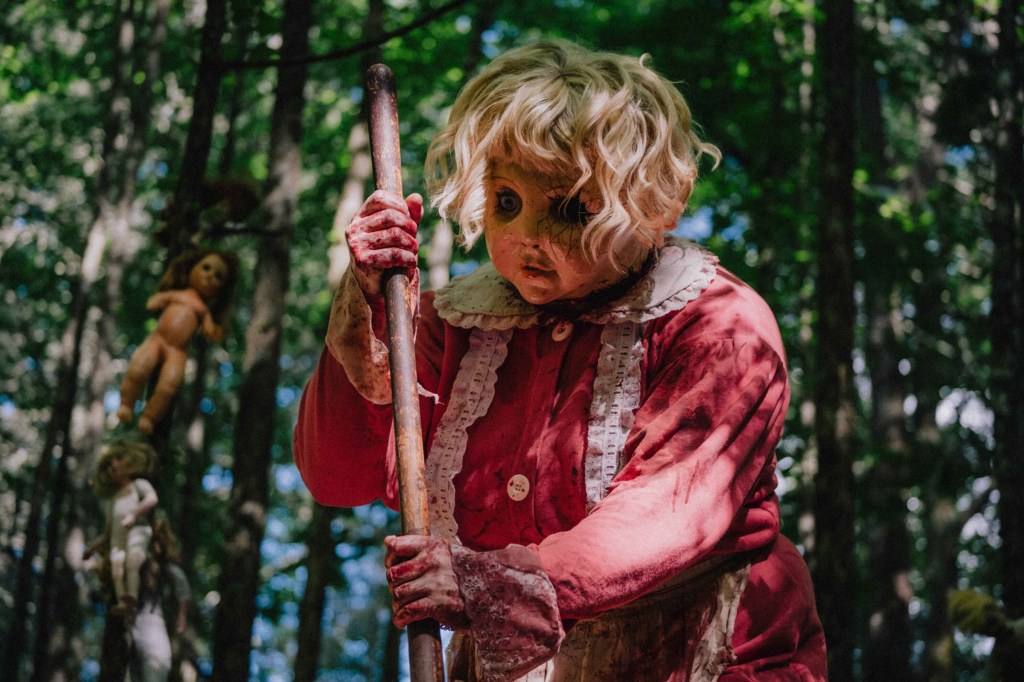
An Independent Film Company and Shudder Release.
3. How long has Dolly been rolling around in your mind? What was the initial inspiration? Or were there several sources that came together to give you that moment when you realized this needed to be made?
Dolly came out of a Venn diagram of a few happenings and realizations in my life.
By 2021, I was stuck in that place a lot of filmmakers know far too well. I had made two successful movies, and yet I still couldn’t get the next one off the ground. It didn’t make sense that the gates just stayed closed. So I began thinking about survival. The industry kept finding reasons to say “no” to everything I was pitching, so I realized I needed to come up with a project that wasn’t as personal in what it was saying and could be something that we make for a different price point in a different creative lane — and make it in an undeniable way. Something that could actually sustain my family and that I could own.
Around that same time, I kept thinking about a writer, Brandon Weavil, who had sent a blind query to my partner, Noah Lang. Brandon’s screenwriting samples were pound for pound the best pure horror writing I’d ever read. Brandon told us we were the only people who had ever answered his outreach, and that stuck with me, if only because I’ve often been in those same shoes, even several films in. I remember thinking at the end of 2020 that we should be working with outsiders like Brandon, creating something provocative and dangerous.
Danger became the key word. If we were going to be ignored anyway, why not swing harder. Why not make the movie that makes it impossible to look away? Our first film, Here Alone, which we made for $176,000 and which did quite well, was actually held against us because people thought it looked like a million-dollar movie — but didn’t have the trappings of a 1M budget. The goal was to make a movie that proved we could make a film (to get around the roadblock reaction of “but you haven’t made a feature, how do we know you can?”). But making a successful movie wasn’t enough; we needed to make something that made people pay attention.
The final piece of this confluence came from being a kid in the mountains of upstate New York, growing up at the end of a dirt road with thousands of empty acres around me. I used to wander the woods alone. Near our house was an abandoned garnet mine, Hooper Mine, with old miners’ cabins, frozen in time. One day I thought I saw someone living out there, miles from anyone, and I remember the feeling of being completely untethered from safety, from help, from the present moment. I felt like I was caught in a wrinkle in time, and there was no escape.
Dolly lives right in the middle of all of that.
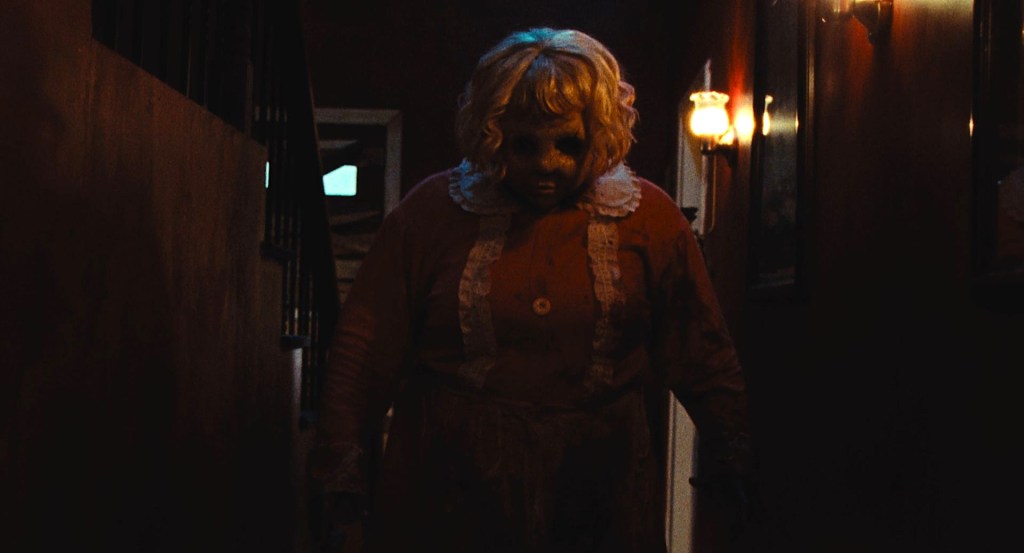
An Independent Film Company and Shudder Release.
4. Are independent films important?
Independent films are essential. They’re also brutally hard to sustain.
This is where almost every major director learns how to speak in their own voice before the system gets hold of them. Look at filmmakers like Rian Johnson, Christopher Nolan, or Denis Villeneuve. Independent film was their proving ground.
But movies cost time and money, and the math for filmmakers can be devastating. You pour years into something that enriches others, while the people who made it can still struggle to pay rent. Festivals are a conundrum with many premieres arriving with distribution deals in place and right away the visibility independent artists need gets harder to access. And even then, in those forums, you have to compete with films that cost millions and millions of dollars.
So when I say that independent films and filmmakers are essential, I’m not talking about the filmmakers who have some pipeline into Hollywood. I mean the ones fully outside the ecosystem. Without industry support, their work can be nearly invisible.
Even with Dolly, when we were going out to market to find a distributor, there were only a handful of real partners for a movie like ours. When that’s the landscape, sustainability becomes the real question. How do you build a life, support a family, get older in this business, if every film is akin to a lottery ticket? You can’t just hope you get lucky.
Now you’re seeing some content creators use online audiences as leverage, which is smart and I respect it. But not every filmmaker is built to be a full-time content personality. Some people just want to make movies, and that skill set should be enough.
So yes, independent film is alive. It’s vital. It’s where innovation (and where most filmmakers) come from. The challenge is building a distribution ecosystem where the people creating that value can actually survive doing it.
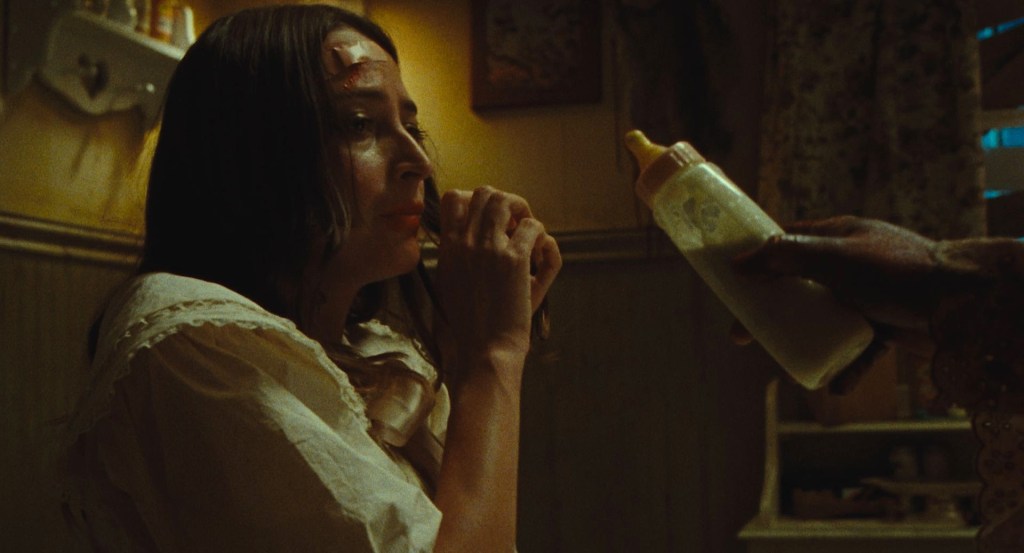
An Independent Film Company and Shudder Release.
5. I’ve always believed that having a diverse background with interests in a lot of areas makes you better at what you do. It lets you bring elements from other worlds to make the genre you’re working in feel fleshed out and not just another scary movie. Do you think it is better to focus on one genre so you can be an expert in your field? Or is working in several areas a benefit?
I contain multitudes. My wife once called me an “all-genres enthusiast,” and that feels apt.
There are a lot of stories I want to tell (and, hell, even stories in other forms). The film industry, for whatever reason, prefers neat labels. It wants to know which box to put you in. But I don’t want to live in one box.
For example, I didn’t set out to be a documentary director or a fiction director. The projects I’ve been able to make thus far in my career are merely the ones I’ve been able to will into existence. Not because they were the only things I was capable of.
I’ve gotten far down the road on studio jobs and heard the same note at the end: “You haven’t made one exactly like this, so how do we know you can?” But when you haven’t made anything yet, the note is, “How do we know you can make one at all?” People find reasons to say “no.”
I try not to internalize that. I just think: here is a story I love, and here is my point of view; let’s go.
Of course, there are projects I’m not right for. I am not everything. But I do think moving across genres, understanding different tones, different audiences, different pieces of the human experience, makes the work richer. It’s a bit like a liberal arts education. You’re building a way of seeing.
So for me, the goal isn’t expertise in a single lane. It’s curiosity, range, and the stamina (read; audacity and desperation… at times) to keep making things.
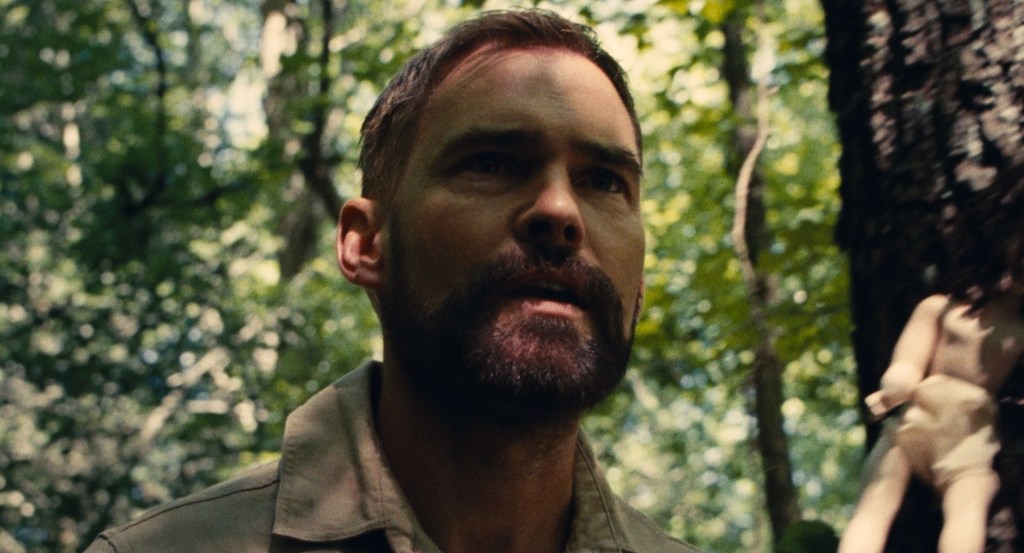
An Independent Film Company and Shudder Release.
6. Similarly, do you think it’s important to have a defining style? Or is it better to have a different style/vision for each project? How does “Hollywood” feel? Is it better for your career when others know what to expect?
Yes, I think a filmmaker should have a voice. I’m less convinced they need a repeating visual style. Style can become branding. Voice is authorship.
Voice is what you’re drawn to, what you’re afraid of, the kinds of people you center, the moral questions you can’t stop worrying about. It’s the emotional point of view that runs through the work, whether the movie is big or small, documentary or fiction. The “what is this about.”
Across everything I’ve made, I’m interested in regular people thrown into extraordinary or destabilizing situations — like Alice going down the rabbit hole. I want to watch pressure change my characters. Because that’s often what life is for us who aren’t appearing in movies; regular people trying to make it through our days.
From a career standpoint, I understand why the industry prefers predictability. It makes things easier to market and easier to gamble on. But as an audience member, I want to be surprised. I want to feel a filmmaker stretching, risking something, not protecting a brand.
If a consistent style emerges over time, that’s for others to decide. I’m just trying to be honest about what moves me each time out.
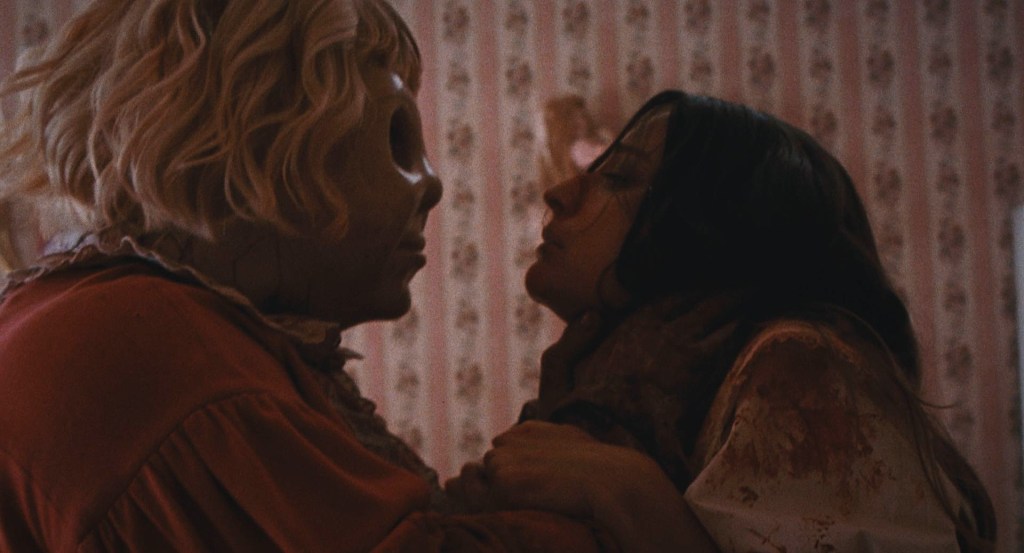
Courtesy of Justin Derry. An Independent Film Company and Shudder Release.
7. What are your favorite films, horror or otherwise?
I love films where you can feel confident and complete authorship on the screen. Big ideas, rigorous craft, emotional heft. Movies that trust viewers and have a voice.
Children of Men is a giant one for me. I also think a lot about No Country for Old Men, There Will Be Blood, The Dark Knight, Gladiator, and Zodiac. Maybe because I’m 45 and those films came my way when I was realizing that I didn’t have to think so “small” or “indie” when it came to dreaming up stories to tell.
In meetings, I tell people I want to be doing and making what Denis Villeneuve is doing; from Prisoners to Arrival to Blade Runner 2049, and Dune… that’s the stuff.
On the horror side of things, my compass points to movies that treat fear as a way to talk about belief, control, and community. The Shining, Alien, High Tension, The Night of the Hunter, Jaws, The Vanishing, The Exorcist, and The Silence of the Lambs. All pictures made with discipline and conviction. Made by unwavering filmmakers who know exactly what they’re doing. I hope I can be a part of that tradition.
An Independent Film Company and Shudder Release.
8. You wear several hats in this movie. Was it important to keep control of this film? If you could only have had one role to get this film made, which was the most important?
Filmmaking is creative entrepreneurship and leadership. Your movie only works because of the people who agree to follow you because they believe in what you’ve stated will exist.
I can’t do what actors do. I can’t compose the score. I can’t build the sets or light them. What I can do is hold the taste, the vision, and the standard. My job is to invite incredibly talented people into the dark and guide us toward the same light at the end of the tunnel.
There’s that old description of a director being a benevolent dictator, and it’s true. One person has to be responsible for the whole. If it fails, it’s on you. If it succeeds, it’s because the group believed in where you were taking them.
For me, directing and producing are intertwined. I’ve tried stepping into situations where the train was already moving and I was being asked to execute someone else’s blueprint. I can do it, but those experiences have rarely produced my best work. The films that come alive are the ones born from something personal, where I have a clear point of view about how and why they should exist in the first place.
That’s not about ego or knowing better than anyone else. It’s about stewardship. If you ask people to give months and/or years of their lives, you owe them clarity of your intention.
So if I had to pick only one job, it would be filmmaker in the fullest and holistic sense. The person responsible for the idea and the vision, and then for building the conditions that allow everyone else to do their best work.
An Independent Film Company and Shudder Release.
9. Did you have a system of checks and balances in place to keep you on track? Was there anyone who could say “no” to your ideas? Did anyone say “no” to you?
Absolutely. I work with partners and collaborators who are not shy about pushing back.
Noah Lang and Ross O’Connor have been beside me for a long time. They challenge ideas, question strategy, force me to articulate why something matters, why it’s worth the day, the cheddar, the energy. That friction is healthy. If I can’t defend a choice, it probably isn’t the right one.
At the same time, the reason our group can move quickly is trust. And trust doesn’t arrive for free. It’s built over years of being in the filmmaking suck together, dealing with bullsh*t and sabotage, handling bad apples, solving problems under pressure and against the forces that try to break you. People start to understand how I think, why I work the way I do, and where I’m trying to take us.
But collaboration only exists if ideas can come from anywhere. My responsibility is to listen. A director who stops listening is in trouble. I hire people because they know things I don’t, and I want them to tell me when we can do better.
Leadership, to me, is setting that attitude and direction while empowering experts. You’re asking everyone to march toward the same horizon, but you’re also relying on them to navigate the terrain.
So yes, people say “no” to me. And when they’re right, it makes the movie better. And they’re often right.
An Independent Film Company and Shudder Release.
10. What challenges did you have to overcome to get this film made? Were there any lessons you learned that you will carry forward to other projects?
On paper, we did not have the time or the money to pull off what ended up on screen. That’s the cliché answer, but it’s also the truth. The gap between ambition and resources is where most movies either falter and die… or become themselves.
A good example is my producing partner, Noah Lang. Back in 2021 (again when the film was still called Babygirl), he had very honest and real questions about the project. Namely, how do we elevate the slasher language instead of just making a tribute? How do we make sure we’re adding to the canon and not just repeating something that’s been done before?
Noah always shows up for me, and not just because we’re partners, but because that’s what the tribe does. But it wasn’t until the visual grammar, mythology, the fable-like qualities, the character histories (even when they’re not spoken), started to come together in Dolly that Noah came around on the franchise in a big way. And now he’s one of the film’s fiercest champions (and also gave me permission to tell this story).
That process is the job. You are constantly asking people to believe before they can see it. To imagine what’s in my head. Filmmaking isn’t solitary. It’s not a novelist sitting alone in a room. It requires a small army and real resources, and you have to inspire that army to march, often when the enemy is nearby, the water is up to your shins and you ran out of cigarettes weeks ago.
What made this movie possible (and, hell, all of our movies) is that we’ve built a tribe. Many of us have been through some sh*t together. When the workdays are never long enough and the asks are big, that battle-tested history and shared experience are invaluable.
The practical lesson I’ll carry forward is simple. Work with people you trust. Protect the culture you’ve built. No a**holes. If the group believes in each other, you can move mountains even when the math says you shouldn’t.
An Independent Film Company and Shudder Release.
11. Who found Max the Impaler? That is an incredible choice for an unstoppable antagonist. Was any of the story tweaked after choosing Max and seeing how formidable they were on screen?
My producing partner, Ross O’Connor, found Max. By luck.
Ross and I both live in Nashville, and when we began casting, we knew we needed an extraordinary physical performer. We talked about athletes and dancers. But we didn’t really know where to look.
Then Ross saw a flyer for a wrestling show that was coming through town. Max the Impaler was featured on the flyer. Their image was arresting. That was it.
Then, as I do, I went down the rabbit hole, watched match footage, promos, other performance work, and just had a gut feeling. So I started politely harassing them across all social media. Eventually, someone in their orbit said that they might want to call us back, and Max did.
We met for lunch in Louisville on a Sunday. Within minutes, Max told me their lifelong dream was to play a horror movie villain and about how important horror movies were in their life. Sitting there, it felt like fate tapping me on the shoulder. I walked out knowing we had our Dolly.
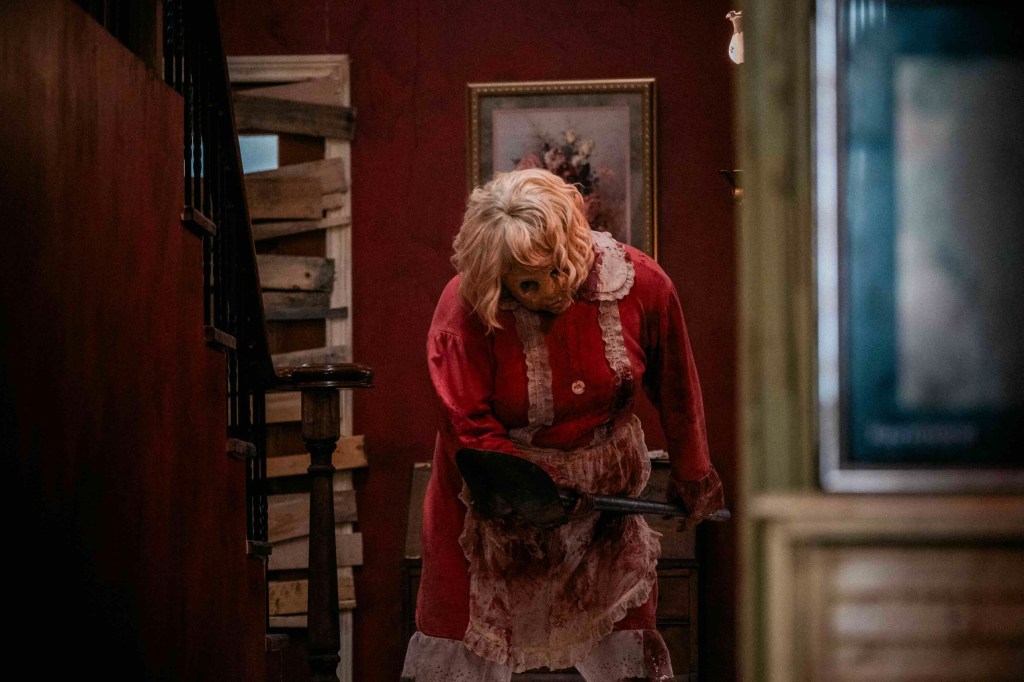
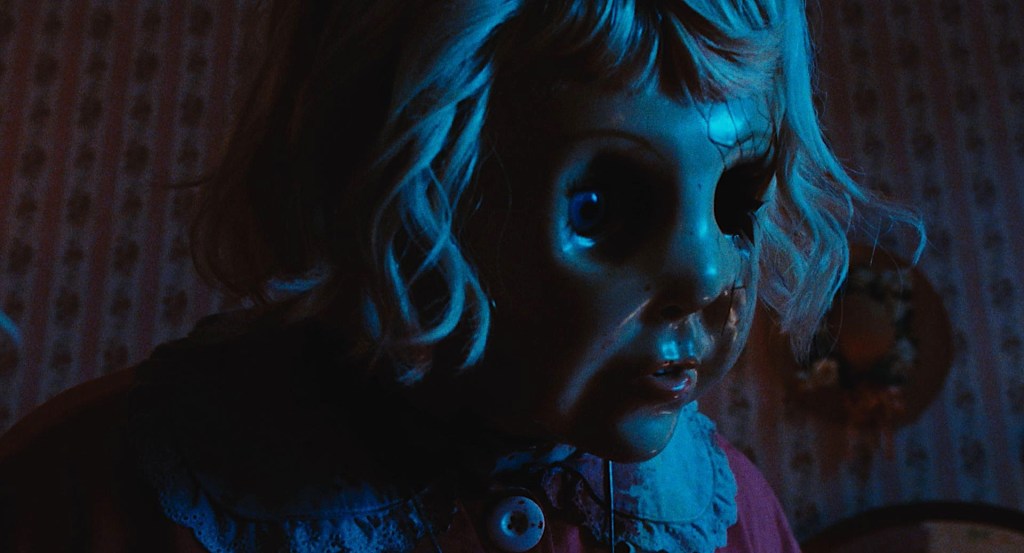
Once Max joined, the Dolly character became theirs. Nothing fundamental in the plot changed, but their presence changed everything. On the page Dolly had mythology, history, emotional architecture, even when none of it was said out loud. Max absorbed all of it and then communicated it physically and silently in ways that still kind of stun me.
What they accomplish without dialogue is extraordinary. You feel all the feelings. You feel conflicted about how you should view Dolly. You realize there’s a larger history there in that house and in those woods.
At the risk of sounding verbose, it’s one of those moments where casting doesn’t just fill the role. It reveals the character.
An Independent Film Company and Shudder Release.
12. Was Max scary in person?
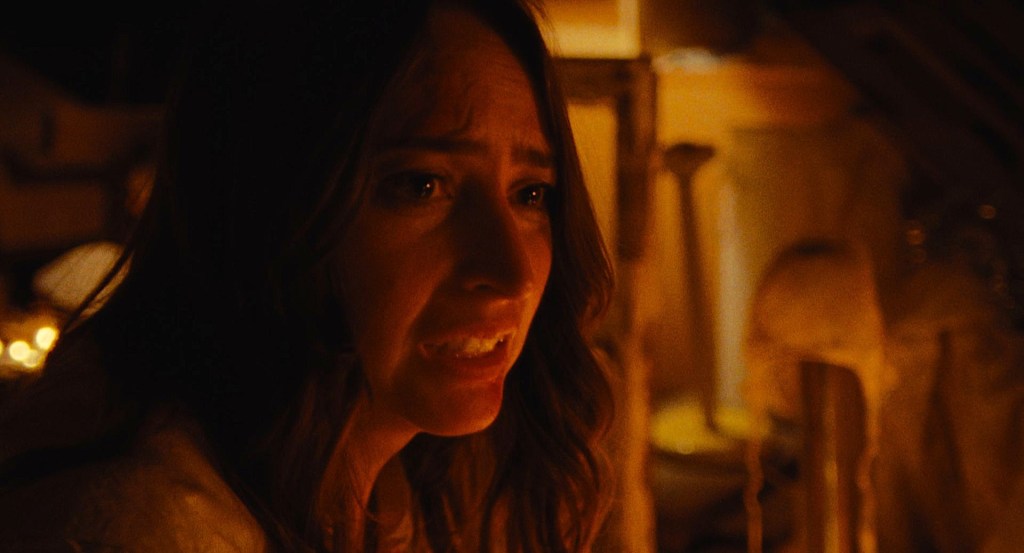
Max is an incredible human being and not scary at all. Although, what I love about Max is that so many people out there only know Max the Impaler as a character, and I feel very privileged that I know Max the Impaler as the person behind that character.
But in wrestling, you are always your character. And so I hope I’m answering this question right, just because Max has worked so hard in their life to build a character and a reputation for their audience. But I would love nothing more than this movie to be the thing that propels Max into a new career and into a new chapter in their life because they deserve it.
An Independent Film Company and Shudder Release.
13. What was the tone on the set? How important is that tone? If you have fun, does it dampen the gritty nature, or is it necessary to keep people sane and balanced throughout the shoot?
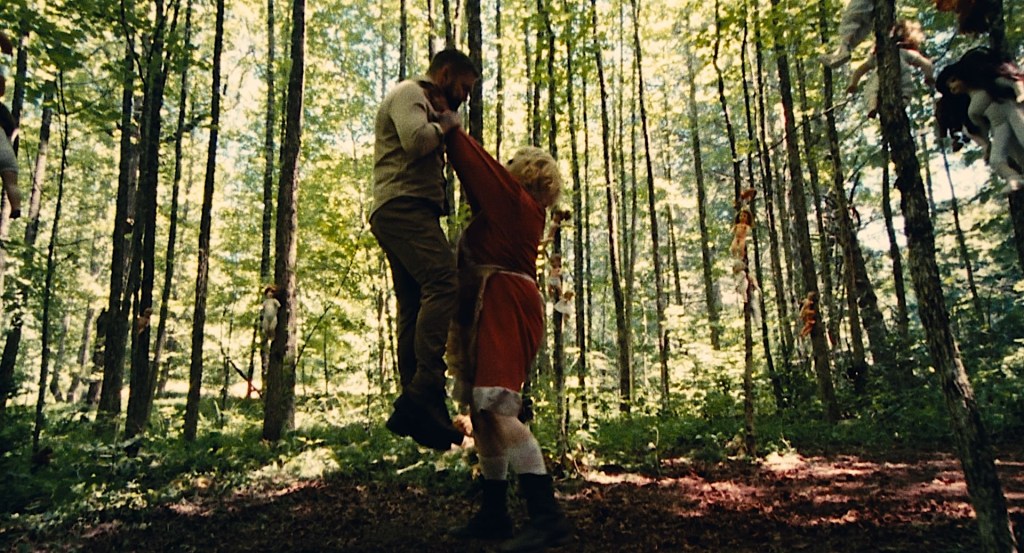
We were making an intense movie, but the atmosphere behind the camera was focused, collaborative, and often surprisingly light. I don’t subscribe to the idea that misery creates better art. Exhaustion and fear usually just make people smaller. What you want are collaborators who feel supported enough to take risks.
My job as a director is to create a trusting space where people can go to difficult emotional places and know they’re safe doing it. If the crew is singing songs, laughing between setups, or someone cracks a joke after a brutal scene, that’s not undercutting the grit. That’s pressure releasing, so we can go back in and do it again.
At the same time, when it was time to bite down, we worked. People know when to not make a joke. When to give someone space. Everyone understood the tone of the movie we were trying to make. Playful becomes precise very quickly. Because everyone is moving towards that same goal on the horizon.
I actually think a healthy, fun set makes darker material stronger. People feel free to be themselves. They feel safe and protected. And then brave choices are what end up on screen.
Courtesy of Justin Derry. An Independent Film Company and Shudder Release.
14. How long was the shoot?
We shot Dolly in 20 days. Most days were built around a 12-hour schedule, which is the industry standard.
Sure, we all fantasize about French hours, but on an independent film like this, the math rarely supports the fantasy. We try hard to avoid overtime because once you push past twelve, exhaustion creeps in and the returns start shrinking. People get slower, not sharper. And beyond the diminishing returns, it’s just not safe.
But the truth is, no one is really working just twelve.
You’re awake long before call, running the day in your head, revising the plan, preparing for the problems you can predict and the ones you can’t. Then, after wrap, you’re reviewing what you got, what you missed, how the schedule adjusts, what tomorrow now has to become. You fall asleep doing production math or with a case of the “should-haves” (“I should have done this”).
Making a film is a marathon disguised as a sprint.
It’s absolutely tiring and is true type 2 fun (something that may be hard in the moment but looking back on it you remember it more fondly with the passage of time). But it’s also a privilege. You get to wake up every day with a group of people trying to accomplish something almost unreasonable together. There’s nothing else like it.
15. What can you tell us about this film?
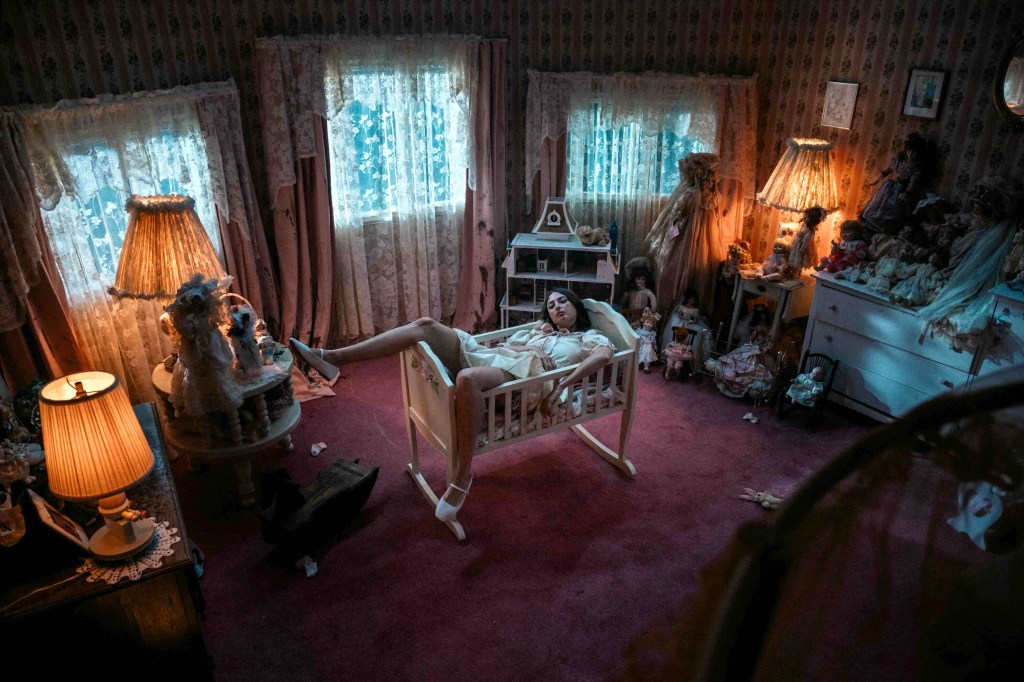
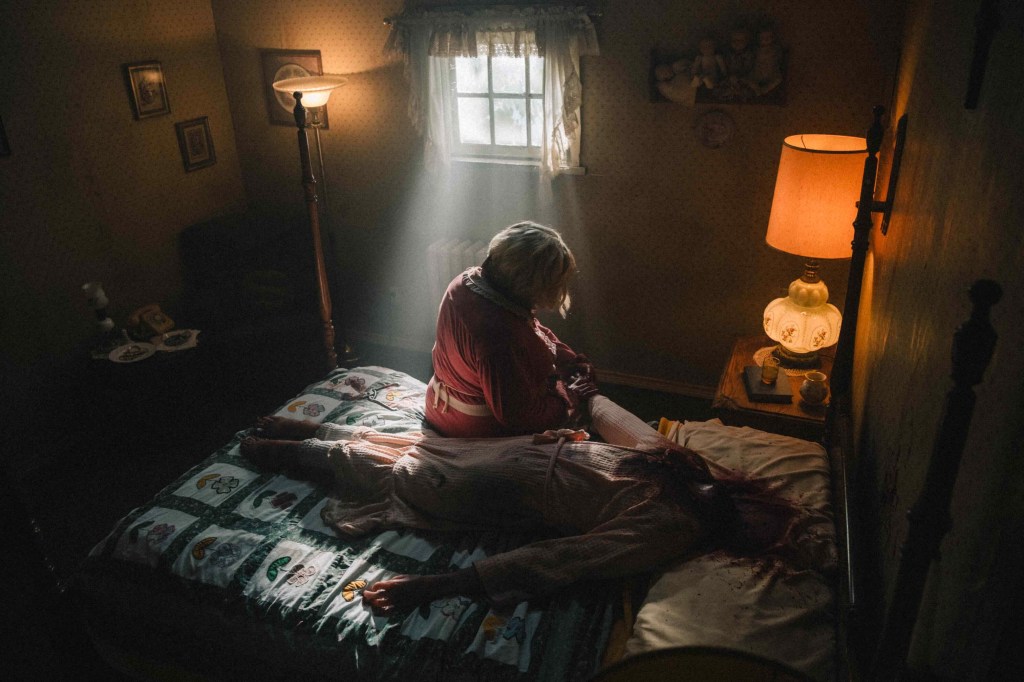
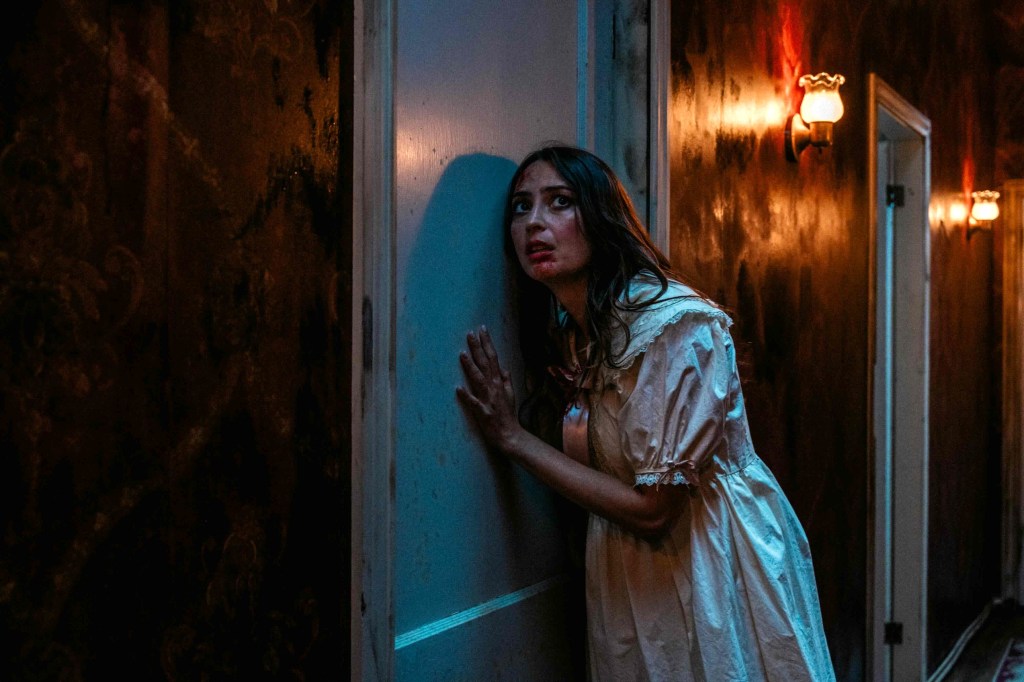
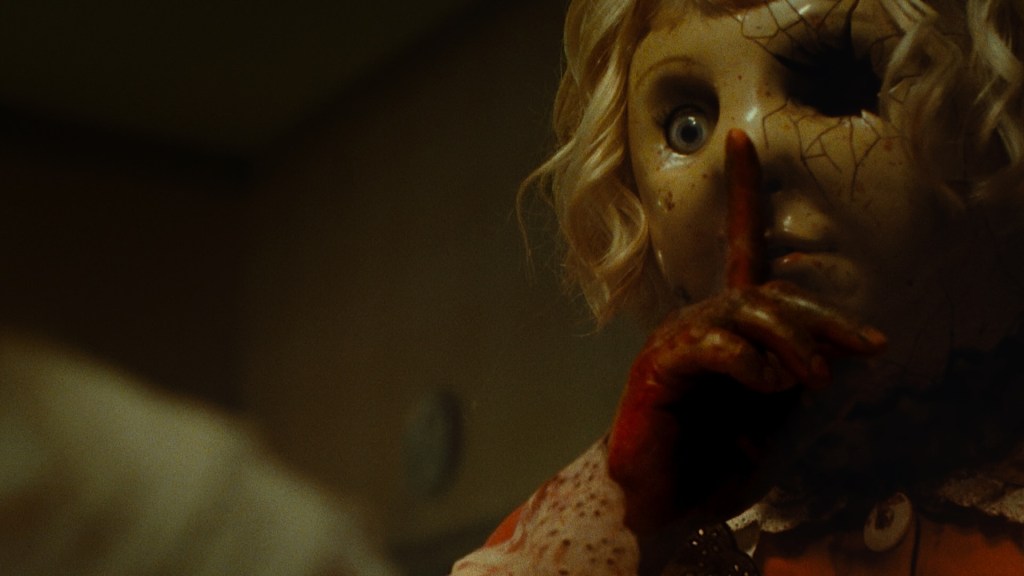
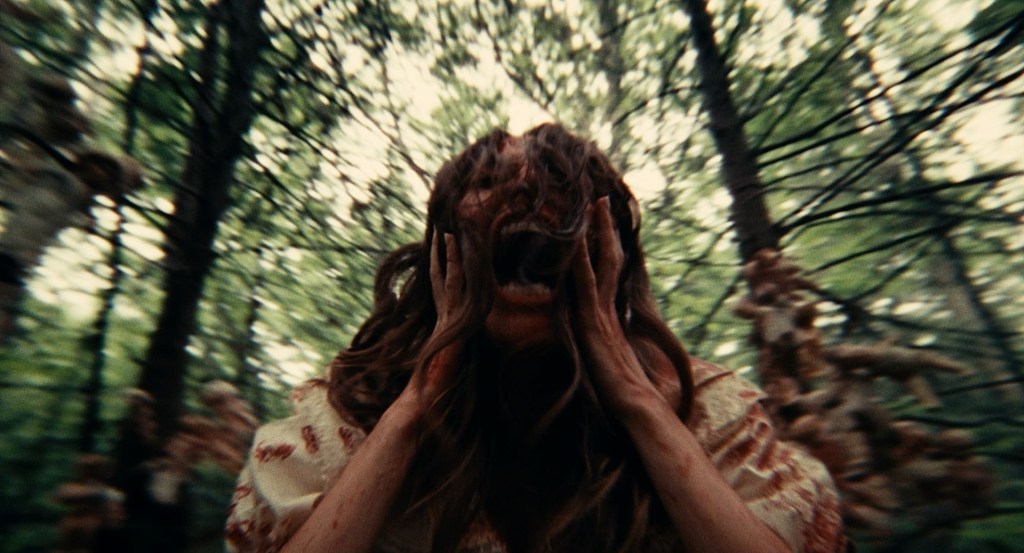
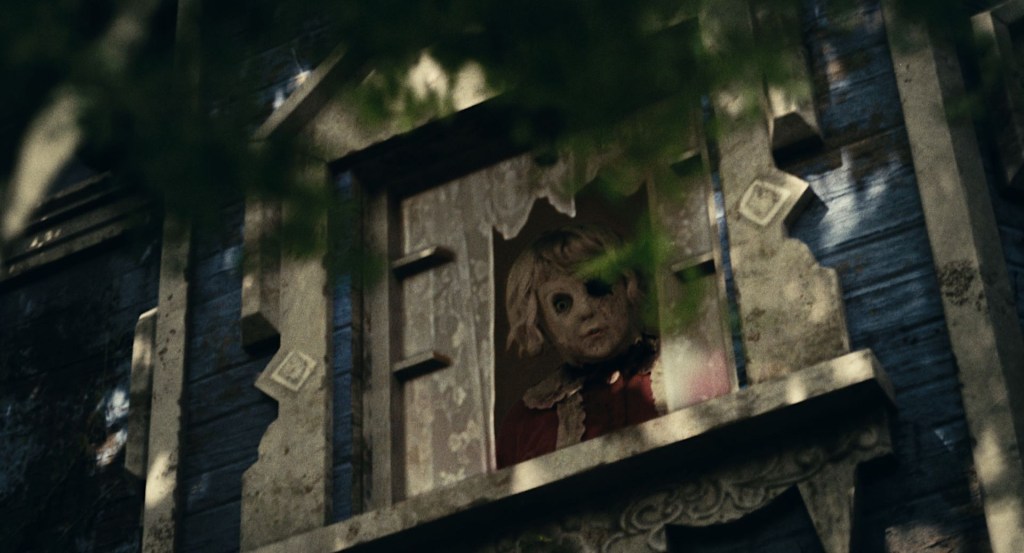
Dolly is a shotgun blast movie by design, 76 minutes long, lean and mean. It’s a dark fairytale, inspired by films that shaped us as kids, and we made it for a wide release. It’s a film for horror fans. It’s also fun, funny, and f*cking weird. We hope it’s as fun for older genre fans on a date night as it is for that 11-year-old kid who buys a ticket to Zootopia 2 and sneaks into Dolly instead. You need to see it because we tried to do something different when we probably could have been forgiven for doing the same old thing. And when you do go watch it in cinemas on March 6th, please do stay until the very, very end.
An Independent Film Company and Shudder Release.
16. What are three things people would be surprised to learn about you?
- I always make the bed in a hotel room.
- I started a country band with my friends Carl Anderson, Tim Bruns, Ross O’Connor, and Noah Lang called The Babyboys to create original music for the Dolly franchise.
- I delayed my open heart surgery from 2024 until 2025 so I could make and finish Dolly — just in case I didn’t make it, I wanted the film to exist to support my family (including my daughter Eve, who plays essentially a version of herself in Dolly).
17. What advice do you have for someone who wants to do what you do?
Nothing in this business is guaranteed. Movies fall apart. Deals vanish. People ghost you. Phones stop ringing. If your happiness is tied only to the result, you’re going to be miserable most of the time.
But the creative act of building something with other people, solving problems, chasing an image or a feeling… that part is available to you right now, and there is joy to be had there.
Even my disappointments and failures carry pride because I know how hard we worked and how honestly we swung. Pay for your successes with those defeats.
At the same time, learn the business. Protect your original IP. Understand where the value is flowing. Fight to build situations where your work can actually support your life and the people you love. Don’t let the ecosystem prosper while you’re barely surviving.
If you can learn to love the making and defend your stake in what you make, you have a chance to build a real career.
An Independent Film Company and Shudder Release.
18. Do you have any projects coming up that you’d like to talk about?
Like every filmmaker, I’m always pushing several rocks uphill at once. I’m desperate to get The White Room made. I sold it to Amblin in 2018 after it landed on the Bloodlist. It’s a genre-bender with a lead character inspired by my mom, a public school teacher and a genuine hero in my life. Every single day I think about how to resurrect that one.
We’re also trying to remount Die by Night. We were meant to shoot in Europe last summer and, like so many films, it hit a wall that had nothing to do with the creative. That’s moviemaking. You regroup and charge again.
I would love to work in TV. I’ve been pitching show ideas for years. I would love someone to give me the chance. Just look at my resume; I deliver.
And last but not least, I want to make a living doing what I’m good at.
19. Is there anything important to you that we missed that you’d like to talk about?
We’re just getting started. Dolly II: Birth and Dolly III: Hunt are ready to go. There are so many corners of horror mythology we want to explore, bend, and sometimes break.
My ambition is long-term. Because being a filmmaker right now in 2026 is about being a creative entrepreneur. So we’re building something that can grow, surprise people, and take care of the artists who are giving all of themselves to it.
20. What is the best way for people to follow and support you and/or Dolly?
Please see Dolly in a theater. Bring a friend. And if you like it, tell another friend. If you want to go further, buy some merch, post about it, argue about it, and keep the conversation alive. Independent films survive because communities decide they matter. And I never forget who stands with us. If you have my back, you’ll always have my axe.
Dolly (an Independent Film Company and Shudder release) stars Fabianne Therese, Max the Impaler, and features Seann William Scott. It officially opens on Friday. March 6.
Featured image (Max The Impaler and Fabianne Therese) courtesy of John Blazzi.
Rod Blackhurst links:
website • Instagram • Vimeo
Other important links:
IFC • Shudder
An Independent Film Company and Shudder Release.
 Entertaining Options